Mallorca’s coastline changes markedly from one part of the island to another. A sandy bay with a promenade offers a different day out from a small rocky cove reached on foot. These ten selections highlight that variety, helping you choose somewhere that suits your plans rather than treating every beach as interchangeable.
This is a curated selection, not a ranking. Access, beach services and swimming conditions can change with the season and weather.
1. Sant Elm — southwest
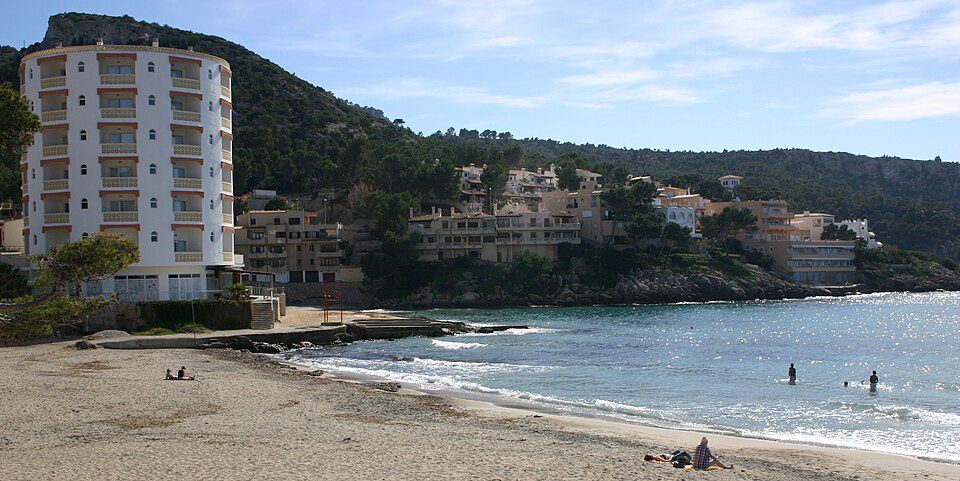

A village beach with views towards Es Pantaleu and Sa Dragonera. The larger bathing area is sandy, while the smaller section is gravel. Restaurants and shops in Sant Elm make it a convenient choice when you want a beach day close to a village rather than a remote excursion.
Planning your visit: The municipal guide lists toilets, showers and assisted-bathing facilities. Check seasonal service availability before travelling, particularly if you need an amphibious chair.
2. Portals Vells — Calvià
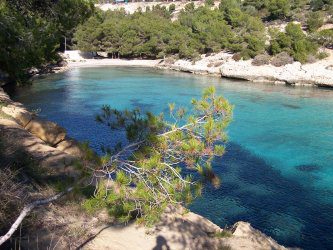

This corner of southwest Calvià brings together several small beaches, including Cala Portals Vells, Cala Petita, Caló del Rei and Platja des Mago. The natural setting gives it a different character from the larger resort beaches nearby.
Planning your visit: Choose the particular cove before setting out and check its access rather than treating the whole area as one beach. Platja des Mago has a naturist tradition.
3. Es Trenc — Campos
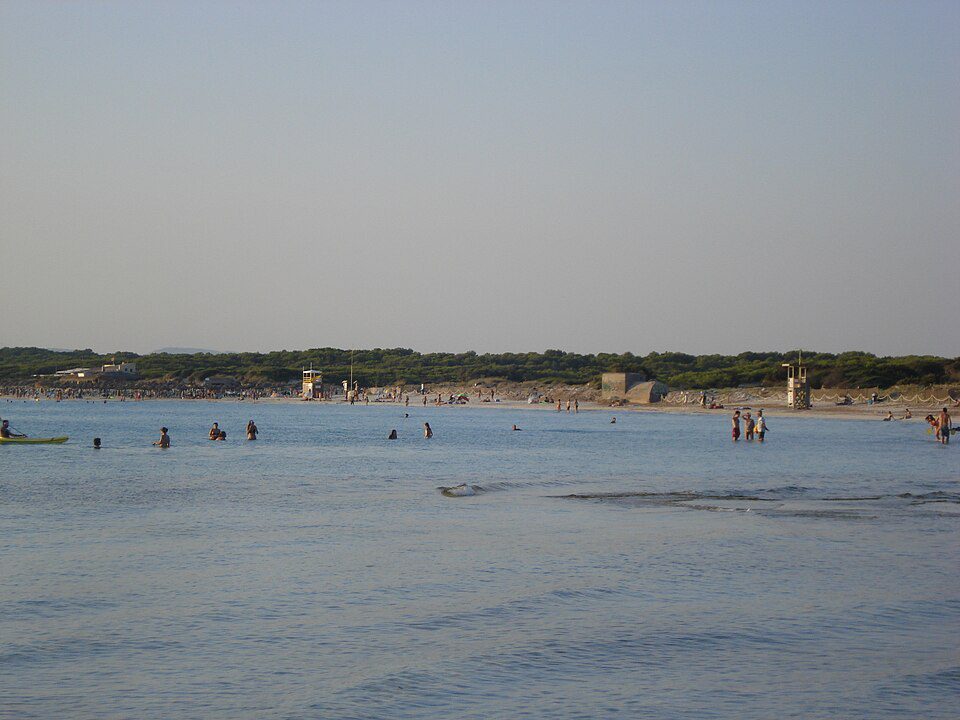

Es Trenc is a long sandy shore within the protected Es Trenc–Salobrar de Campos landscape. Dunes and wetlands lie behind the beach, giving it an open, natural setting that contrasts with a seafront promenade.
Planning your visit: Use the signed access routes and designated parking, which may be charged. Take water and sun protection, and keep off the dunes. Choose your access point with the walk to the beach in mind.
4. Cala Mondragó and S’Amarador — Santanyí
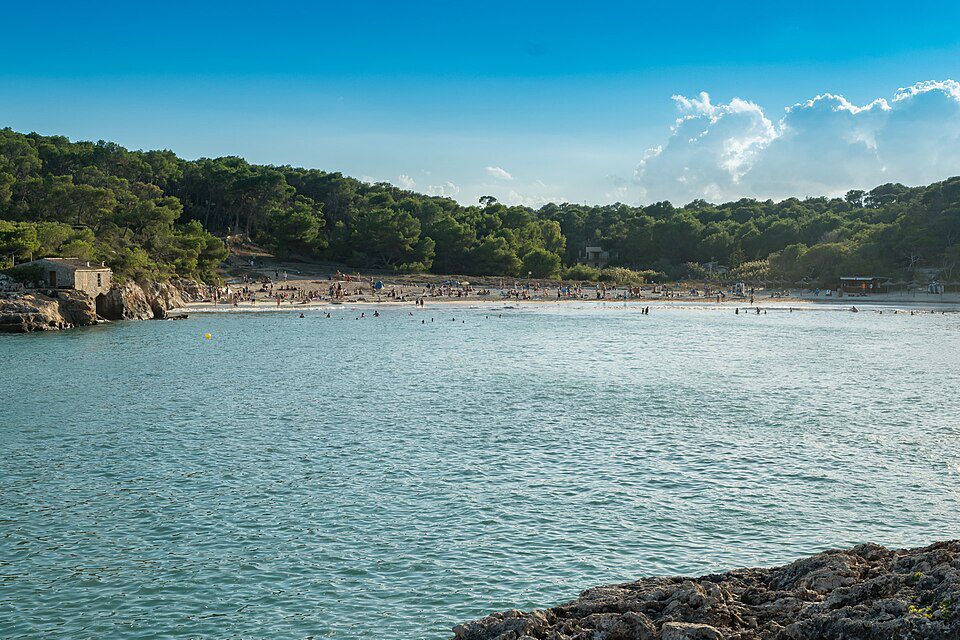

The beaches of S’Amarador and Sa Font de n’Alis form part of the Mondragó bay and natural park. Fine sand, pine woodland and the protected landscape make this a rewarding choice for combining time by the sea with a short walk.
Planning your visit: Follow the park’s signed approaches and stay on the paths. A coastal path connects the beaches; wear suitable footwear and do not assume a sandy beach means every approach is step-free.
5. Cala Millor — east coast
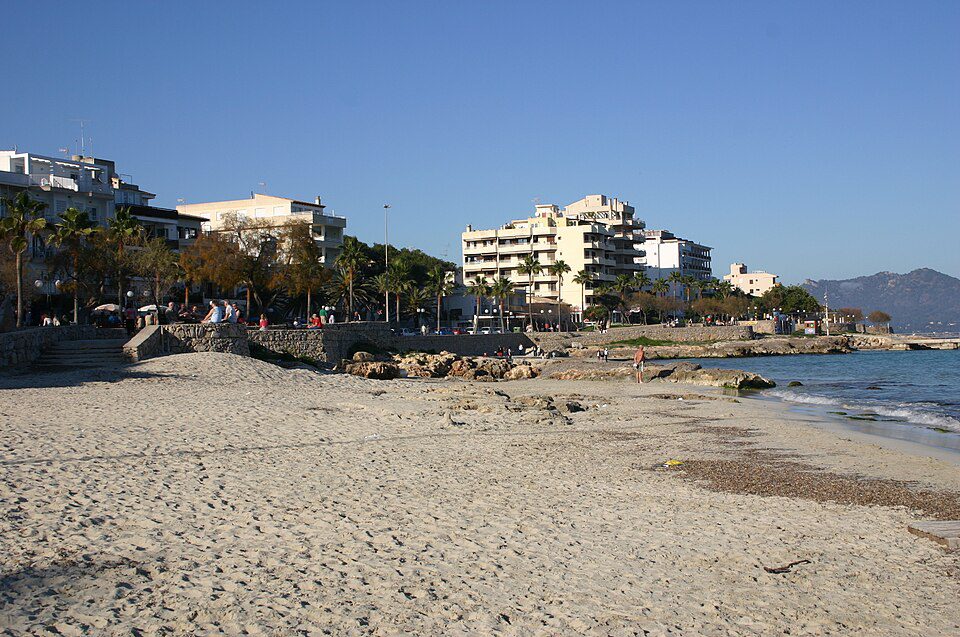

A broad sandy resort beach shared by Son Servera and Sant Llorenç des Cardassar. Its promenade, shops and restaurants suit visitors who want everyday facilities close by. The setting is lively and developed, with the protected Punta de n’Amer peninsula nearby.
Planning your visit: The official beach website provides current service and rescue information. Check the day’s conditions and the relevant accessible entrance if needed.
6. Cala Agulla — Capdepera
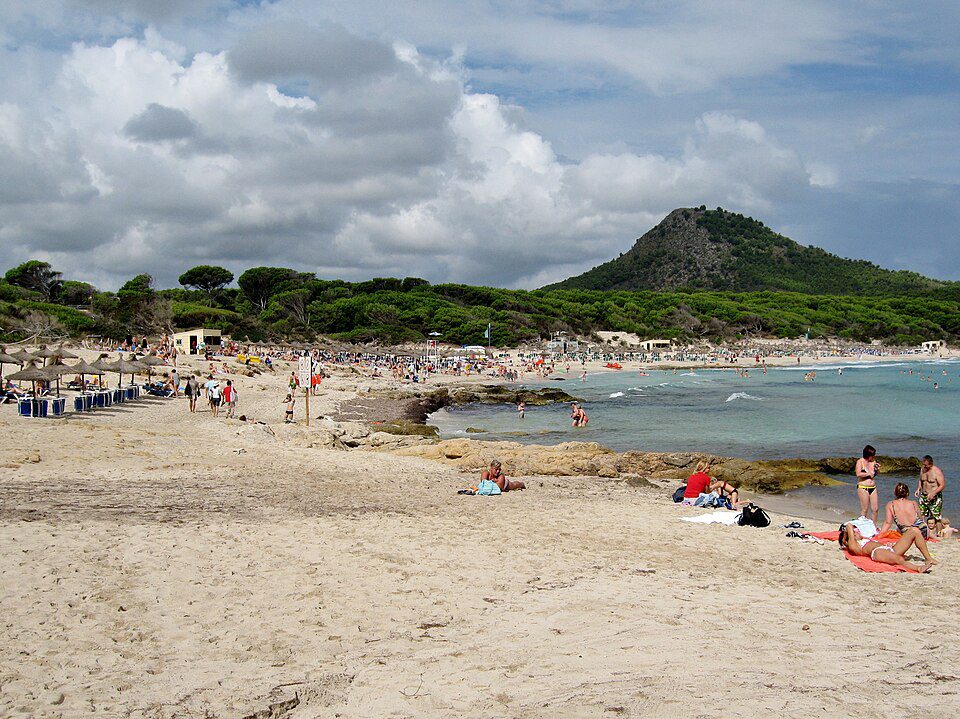

Cala Agulla combines sand and rocky edges with pine trees close to the shore. Although near Cala Rajada, it forms part of a protected coastal landscape together with Cala Moltó and Cala Mesquida.
Planning your visit: The official tourism guide lists seasonal lifeguards, lounger hire and water activities, plus charged parking. Services and the amount of available sand vary; check conditions on arrival.
7. Cala Mesquida — northeast
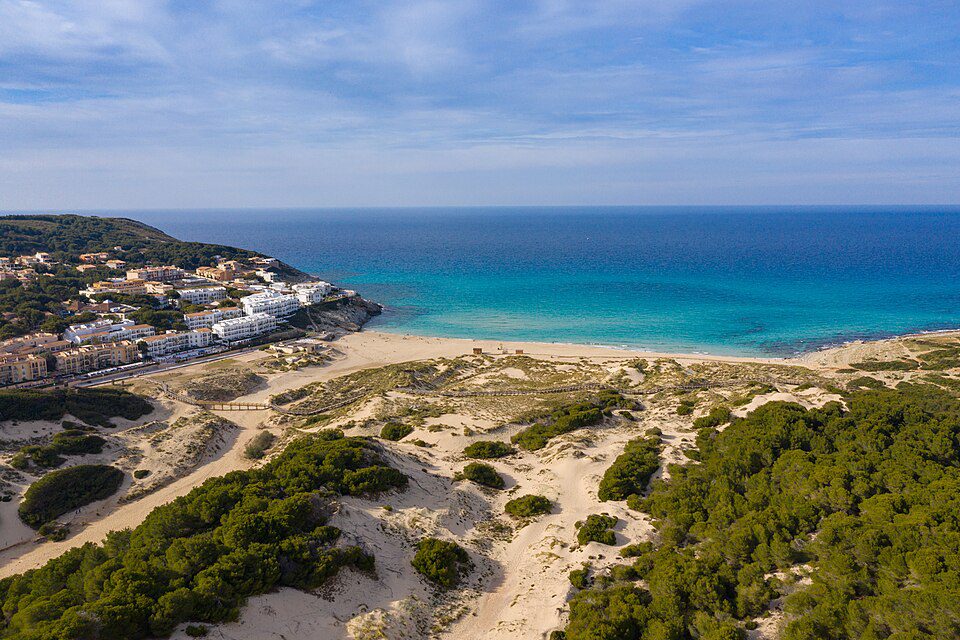

An open sandy beach in Capdepera, with a dune landscape and a more exposed feel than a sheltered cove. It is a good example of why choosing a beach involves more than looking at a photograph.
Planning your visit: Spain’s official tourism listing identifies strong waves as a characteristic here. Follow the flags and lifeguard advice; choose another beach when the conditions are unsuitable.
8. Playa de Muro — Alcúdia Bay
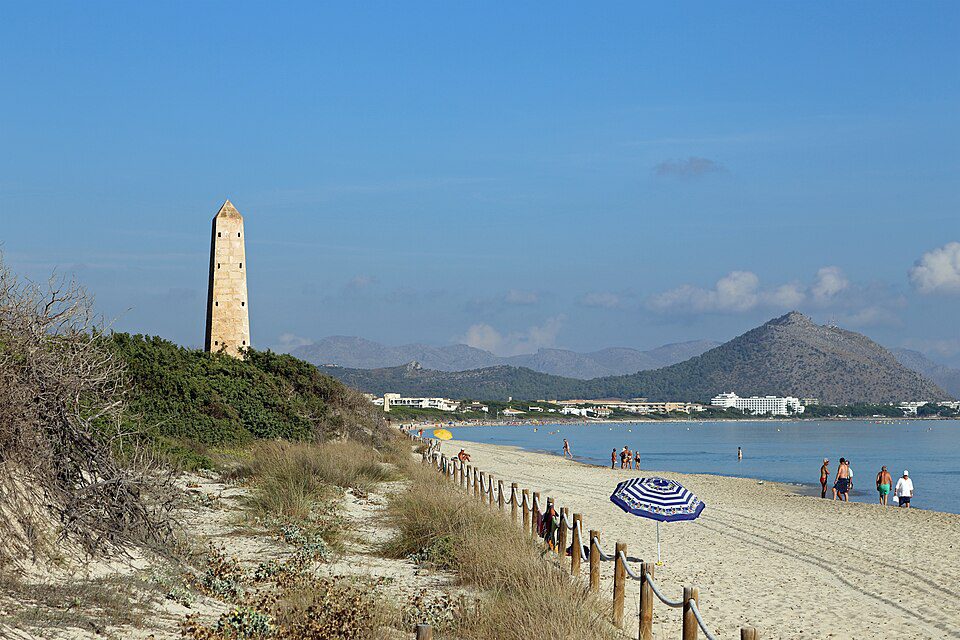

This long sandy coastline has several distinct sections. Sectors I and II have more accommodation and services nearby, while Es Comú has a protected, less developed setting. Choosing the section matters as much as choosing the beach.
Planning your visit: Spain’s tourism guide lists accessible walkways in sectors I and II and seasonal lifeguards. Confirm the exact access point and any assistance you require rather than assuming the facilities extend along the whole coastline.
9. Formentor — Pollença
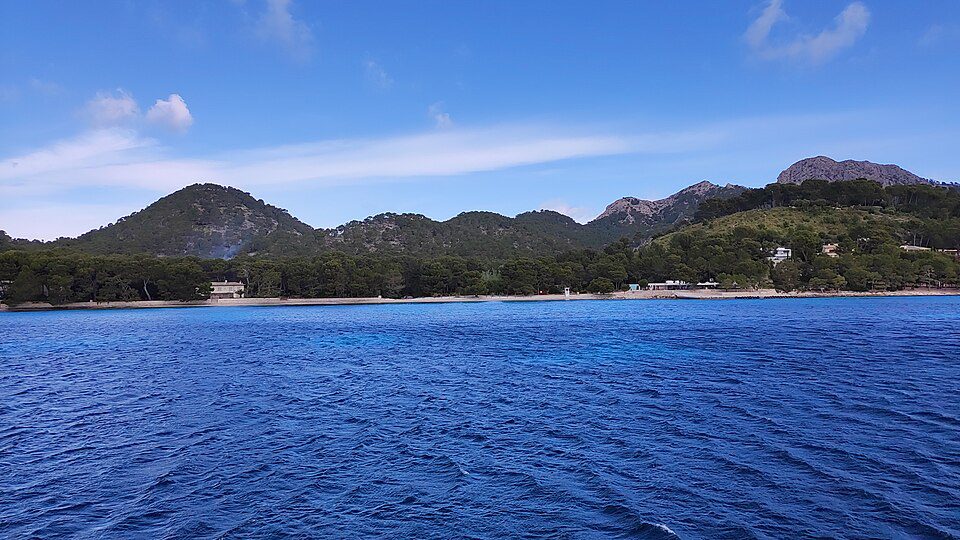

A narrow sandy shore fringed with pines on the Formentor peninsula. The wooded setting and views across the bay make it distinctive, while the winding approach is part of the journey.
Planning your visit: Check the current road-access arrangements and transport services before departure. The tourism guide lists paid parking and beach services, but do not assume unrestricted car access or year-round operation.
10. Cala Deià — Tramuntana coast
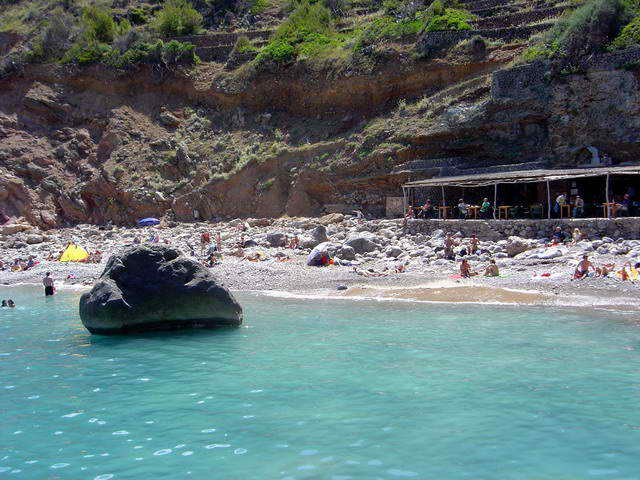

A small cove of stones and coarse sand, framed by cliffs and traditional boathouses. This is a different kind of coastal outing from a broad sandy beach: its appeal lies in the rocky landscape and its connection with Deià.
Planning your visit: Wear suitable footwear and plan the return climb if walking from the village. The Consell de Mallorca’s walking itinerary is not suitable for wheelchairs or pushchairs. The cove has restaurants but limited beach services.
Before you set off
Check local access notices, weather and beach flags. Stay on signed paths, respect protected dunes and take rubbish away. A beautiful or shallow-looking bay is not a guarantee of safe swimming. If travelling with children or someone with reduced mobility, confirm the exact access and facilities in advance.
Finding your place on the coast
When choosing a home, try the journey to the coast at the times you would normally use it. Explore our Cala Vinyes and Port Andratx area guides, return to Living in Mallorca, or contact Jaguar Property to discuss your preferred surroundings.